Our pets, like humans, slow down with age, and this is often accompanied by health problems similar to our own. Fortunately, possibly due to improved diets and preventative medicine, UK pets are now living much longer, which means we need to know how best to look after them in their golden years. Here are a few tips to help:
The Wow of Walking
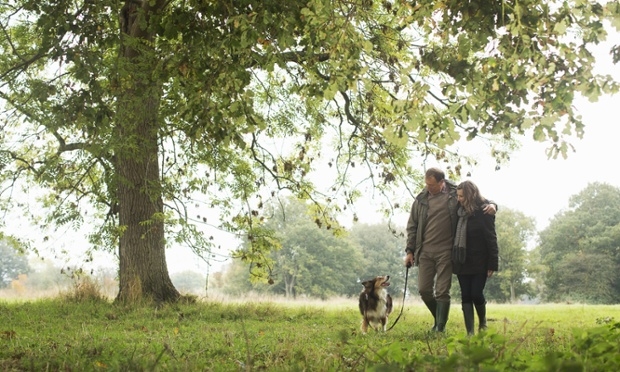
Walking is easy to do and offers many benefts.
What’s not to like about walking? It’s free. It’s easy to do, and it’s easy on the joints. And there’s no question that walking is good for you. Walking is an aerobic exercise; a University of Tennessee study found that women who walked had less body fat than those who didn’t walk. It also lowers the risk of blood clots, since the calf acts as a venous pump, contracting and pumping blood from the feet and legs back to the heart, reducing the load on the heart. Walking is good for you in other ways as well.
Nordic Pole Walking: Fit or Fad?
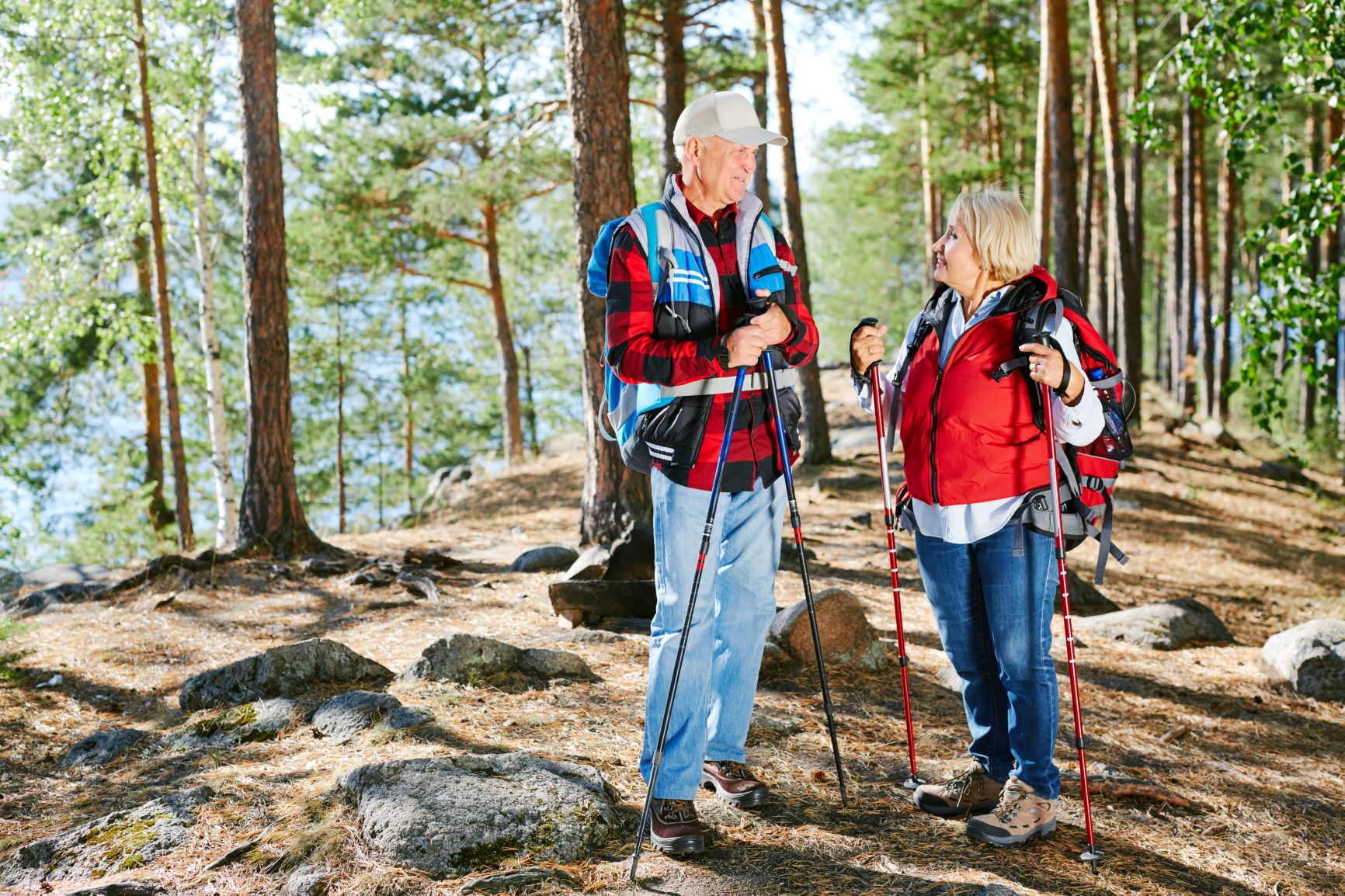
With the proper equipment and technique, there’s a dizzying list of benefits to Nordic walking and very little risk. It strengthens the upper body and core, decreases stress on the hips and knees, increases your heart rate and burns 20 per cent more calories.
Tips on Backcountry Hiking With Arthritis
Hiking with a disability or condition such as arthritis can be painful if precautions are not taken to prevent inflammation, joint stiffness and muscle cramps. Incorporate techniques and tips specifically designed for sufferers of arthritis into your next backcountry hiking expedition to ensure your day is pain free and comfortable.
Bowen Therapy for Arthritis
Most older people will tell you that it’s no fun getting old. As our body ages and slows down it can often start to ache most of the time, with old injuries or broken bones presenting problems for the first time in years.
Arthritis can start at any age but it commonly begins or worsens with age, often presenting for the first time after the middle years.
Natural Rheumatoid Arthritis Treatment by Dr. Mercola
Rheumatoid arthritis affects about one percent of our population and at least two million Americans have definite or classical rheumatoid arthritis. This number has increased in recent years, as in 2010 about 2.5 percent of white women developed RA.
It is a much more devastating illness than previously appreciated. Most patients with rheumatoid arthritis have a progressive disability.
The natural course of rheumatoid arthritis is quite remarkable in that less than one percent of people with the disease have a spontaneous remission. Some disability occurs in 50-70 percent of people within five years after onset of the disease, and half will stop working within 10 years. The annual cost of this disease in the U.S. is estimated to be over $1 billion.
This devastating prognosis is what makes this novel form of treatment so exciting, as it has a far higher likelihood of succeeding than the conventional approach. Over the years I have treated over 3,000 patients with rheumatic illnesses, including SLE, scleroderma, polymyositis and dermatomyositis.